

How to Set Up a Simple Home Coffee and Tea Station
A dedicated coffee and tea station can make everyday routines smoother and more enjoyable. Instead of searching through cupboards for mugs, tea bags, or the kettle, everything you need is kept in one clear, organised spot. It saves time in the morning, reduces clutter, and makes your kitchen feel more intentional.
Keeping all drink gear in one place also helps you avoid duplicates and unnecessary purchases. When mugs, spoons, and supplies are easy to see, it is simpler to stay organised and keep the area tidy.
This guide is ideal for anyone setting up a practical drinks area at home, especially in small houses, flats, shared kitchens, or rented spaces where storage and worktop space may be limited.
Step 1: Choose the Right Location
The first step is deciding where your coffee and tea station should live.
A kitchen worktop is the most common choice and works well if you make hot drinks several times a day. A cupboard setup is useful if you prefer a cleaner look and want to keep appliances out of sight. A sideboard or shelving unit in a dining area can also work, particularly in open plan homes.
Think about practical needs such as nearby plug sockets for kettles or coffee machines. Easy access to water will also make refilling simpler. If space is tight, look for unused corners or vertical areas where shelves or wall hooks can be added without crowding the room.
Step 2: Start With the Essentials
Coffee Essentials
Begin with the basics you actually use. A reliable kettle or a compact coffee machine is usually enough for most households. If you prefer freshly ground coffee, a simple grinder is useful. Otherwise, airtight storage for pre ground coffee works just as well.
Keep a small set of everyday mugs and teaspoons close at hand. There is no need to display every mug you own.
Tea Essentials
For tea drinkers, kettle temperature can make a difference, especially for green or herbal teas. A standard kettle is fine for most people, but variable temperature models are helpful if you enjoy different types of tea.
A teapot or a good quality tea infuser is often more practical than multiple novelty tools. Store loose leaf tea and tea bags in clearly labelled containers to keep them fresh and easy to find.
Step 3: Pick Budget Friendly Drink Gear
Some items are worth spending a little more on, such as a dependable kettle or coffee machine that you will use daily. Cheap versions often need replacing sooner.
For mugs, storage jars, and organisers, affordable options usually perform just as well as premium ones. Focus on durability and ease of cleaning rather than brand names.
Avoid buying gadgets you are unlikely to use regularly. Milk frothers, pod holders, and decorative accessories can be added later if you find a genuine need for them.
Step 4: Organise Small Spaces Effectively
Smart organisation makes a big difference in compact areas. Trays help group items together and prevent them from spreading across the worktop. Tiered organisers are useful for tea canisters or coffee jars, making better use of vertical space.
-
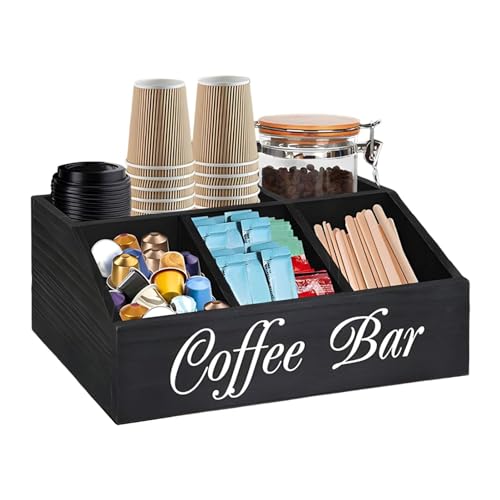
Holds Coffee Station Counter Organizer – Tea and Condiment Holder for Bar, Wooden Dessert Shop Storage
£19.47 -
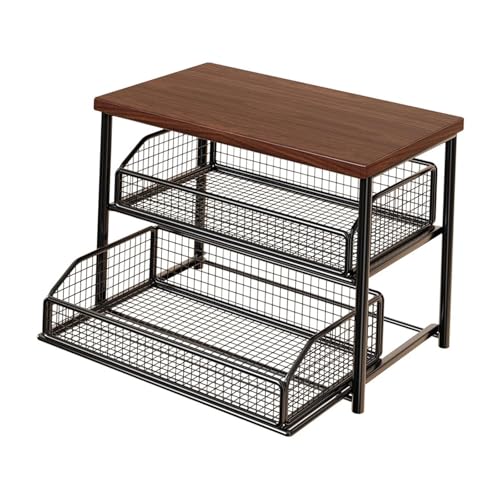
Sharplace 2-Tier Coffee Station Organizer with Drawer, 37x25x33cm Wooden & Iron Kitchen Counter Shelf for Mugs Bar Essentials, Sturdy Multi-Layer Storage with Silent Sliding Rail, Black
£96.61 -

Bowose Coffee Station Organizer, 2-Tier Coffee Bar Organiser & Hot Chocolate, Tea Station for Countertop, Multi-purpose Wooden Kitchen Shelves for Kitchen, Home & Office, Easy to Assemble, Brown
£10.42 -
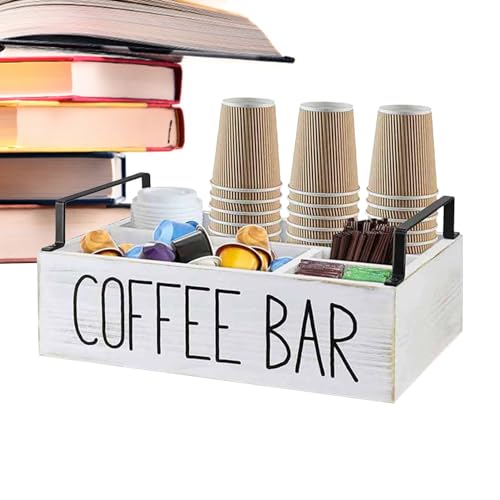
Wood Coffee Bar Organizer Flexible White Multifunctional Tray Station
£14.59 -
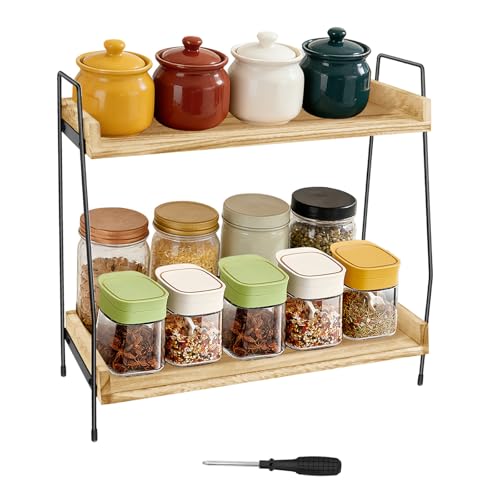
2 Tier Coffee Station Organizer, Wooden Kitchen Countertop Organizer, Multifunctional Tea and Coffee Station Shelf Unit, Coffee Bar Accessories and Organizer, Easy to Clean, Free Standing Spice Rack
£10.42 -

JUYAXIN Wooden Coffee Station Organiser for Pods Cups Spoons Kitchen Counter Condiment Storage Box with Compartment Black Wooden Coffee Pods and Spoon Organizer
£23.64 -

GAESHOW Coffee Station Organizer, 2 Tier Spice Rack, Wooden Kitchen Countertop Organizer, Hot Chocolate Station Stand, Coffee Storage Shelf for Kitchen, Office, Home
£21.88 -
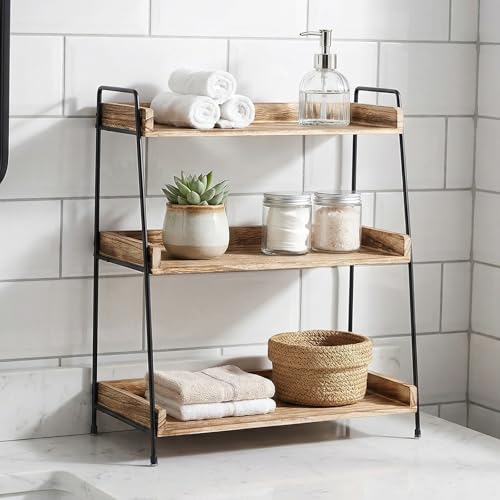
YancLife 3-Tier Coffee Station Organiser – Wooden Kitchen Storage & Organisation Sundry Shelf with Screwdriver No Drilling for Home, Office
£19.99 -
ZYKEJJDDAK Wooden Coffee Station Organiser for Pods Cups Spoons Kitchen Counter Condiment Storage Box with Compartment Wooden Coffee Organiser Storage Box Black
£24.89
Wall mounted hooks can hold mugs, freeing up cupboard space. Slim shelves above the station can store lighter items without cluttering the area.
Drawer organisers are ideal for teaspoons, filters, stirrers, and other small accessories, keeping everything easy to reach and neatly separated.
Step 5: Choose Practical Drinkware
Everyday mugs are usually more useful than oversized or novelty cups. Insulated cups are helpful if you like to take drinks to another room or keep them warm while working.
Ceramic mugs are a popular choice for daily use. Glass cups look clean and modern, while stainless steel options are durable and great for travel. Choose what fits your habits rather than what looks best on display.
Be realistic about quantity. A small household rarely needs more than a few regular use mugs and a couple of extras for guests.
Step 6: Keep It Easy to Clean and Maintain
Dishwasher safe items save time and make cleaning less of a chore. Check labels before buying, especially for mugs and storage containers.
Reducing clutter is key to easy maintenance. The fewer items on display, the quicker it is to wipe down surfaces.
A quick daily tidy and a weekly clean of jars, trays, and appliances will keep the station looking fresh without much effort.
Step 7: Add Simple Personal Touches
Personal touches should enhance the space without crowding it. A small plant, a neutral tray, or a simple print nearby can add character without taking up valuable room.
Labels on tea, coffee, and sugar containers help keep things organised, especially in shared kitchens.
If your station is in a darker corner, consider subtle lighting. Under shelf lights or a small lamp can make the area more inviting and practical.
Common Mistakes to Avoid
One common mistake is buying too much gear too soon. It is better to start simple and add items only when you know you need them.
Ignoring storage needs can quickly lead to clutter. Make sure there is a place for everything before setting it up.
Choosing style over practicality often leads to frustration. Items should be easy to use, clean, and store, not just visually appealing.
Final Thoughts
A simple home coffee and tea station works best when it stays flexible. Start with the essentials and build up gradually as your habits change.
Upgrading slowly allows you to invest in better quality items over time without wasting money. With the right drink gear and a thoughtful setup, everyday routines become easier, calmer, and a little more enjoyable.
-

KTCINA Bamboo Tea Bag Organizer, 8 Compartments Wood Drawer Storage Holder Tea Storage Chest with Clear Lid Multipurpose Chest Box for Coffee Station, Sugar, Sweeteners, Small Packets (8 Grids)
£11.99 -
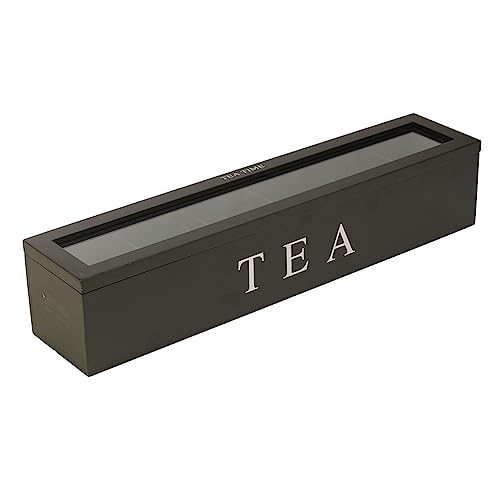
Small Wooden Tea Bag Storage Box 6 Compartment Wood Tea Bag Countertop Divided Storage Container for Beverage Individual Packets (Black)
£12.62 -
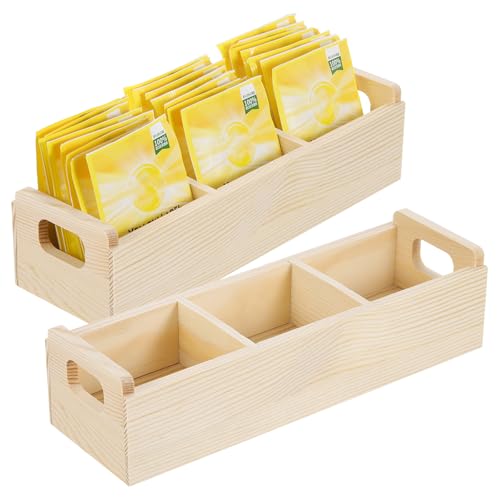
sourcing map 2 Pcs Tea Bag Organizer, 3 Compartments Pine Wood Tea Box with Handle, Tea Storage Organizer Holder for Tea Bags, Beverage Supplies Sugar Packet, Wood Color
£18.69 -

Zerodeko Wooden Coffee Bag Tea Bag Storage Rack Khaki 26.80X17.50X24.40cm
£28.29 -
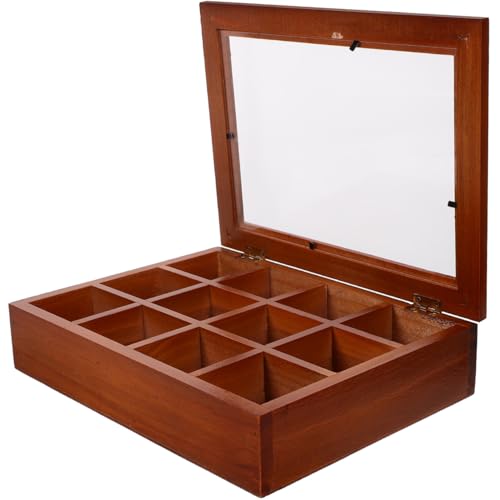
PRETYZOOM Tea Bag Holder Tea Bag Organiser Box with Lid 12-Compartment Box Organiser for Bags Transparent Storage Case for Kitchen Dining Room
£17.29 -

Cabilock Tea Bag Holder Storage Rack with 3-Tier 9 Compartments Wooden Organizer for Tea Bags Sugar Packets Coffee Condiments Office Kitchen Shelf
£47.39 -

camouflage net Tea Bag Organizer with Lid Wood Tea Box 9 Compartments Tea Caddy 23x23x9cm Desktop Storage Box with Dividers for Sugar Packet, Sweeteners, Small Packets(black)
£11.99 -

Acrylic Tea Bag Storage Organizer – 3 Tier Clear Tea Bag Holder & Storage Rack Holds up to 200 Tea Packets, Modern Tea Organizer for Countertop, Cabinet, No Assembly Required Tea Bar Accessories
£21.99 -
Wooden Tea Storage Box,23x23x9CM Tea Bag Organizer with 9 compartments,Tea Chest Container with Transparent Lid for Tea Bags,Sugar, Coffee Pods (Black)
£15.89
