
How to Remove Odours from a Metal Water Bottle (UK Cleaning Guide)
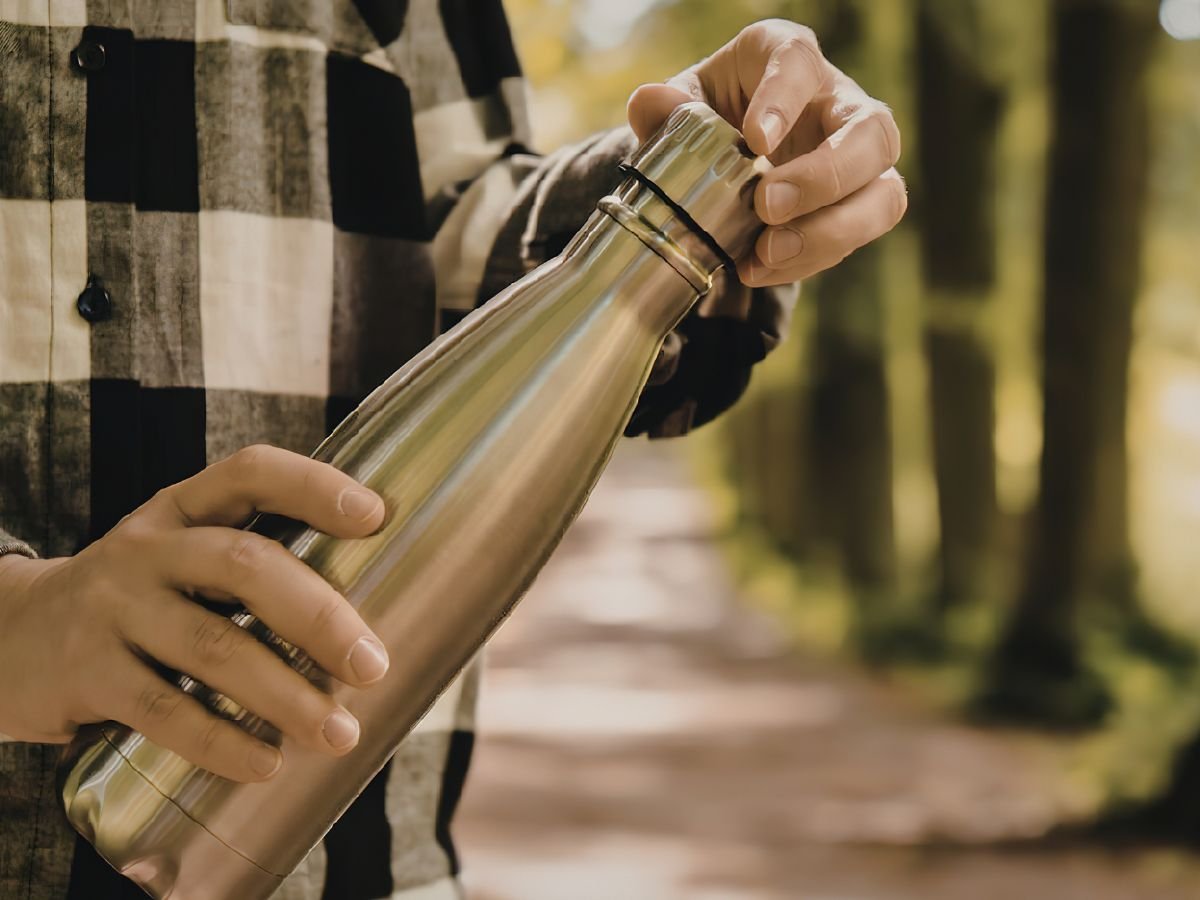
Metal water bottles are popular across the UK for commuting, gym sessions, school, and outdoor walks. Stainless steel bottles are durable, reusable, and environmentally friendly, but they can sometimes develop unpleasant smells.
Odours often appear after using bottles for coffee, tea, protein shakes, squash, or flavoured water. Even if the bottle looks clean, trapped moisture and residue can leave a lingering smell.
The good news is that removing odours is straightforward. This guide explains simple, safe, and effective cleaning methods using common UK household items, so a metal water bottle can smell fresh again.
2. Why Does a Metal Water Bottle Smell?
Understanding the cause makes it easier to fix the problem properly.
2.1 Bacteria Build-Up
The most common reason is bacteria growth caused by:
- Moisture trapped inside
- Storing the bottle with the lid closed while damp
- Not drying it fully after washing
Even stainless steel can develop smells if water sits inside for long periods.
2.2 Strong-Flavoured Drinks
Metal bottles are often used for more than water. Drinks that commonly cause odours include:
- Tea
- Coffee
- Squash
- Protein shakes
- Electrolyte drinks
These liquids leave behind residue that clings to the interior and creates smells over time.
2.3 Lid and Seal Issues
In many cases, the smell does not come from the bottle itself but from the lid.
Common problems include:
- Silicone sealing rings trapping moisture
- Hidden mould in small crevices
- Residue under flip caps or inside straws
The lid must always be cleaned thoroughly.
3. What You’ll Need (Common UK Household Items)
Most cleaning solutions are already in the cupboard:
- Bicarbonate of soda
- White vinegar
- Washing-up liquid
- A bottle brush
- Warm water
- Optional: Milton sterilising tablets (widely available in UK supermarkets)
These are safe, affordable, and effective for stainless steel bottles.
4. Method 1: Clean with Bicarbonate of Soda (Best Everyday Solution)
Bicarbonate of soda is one of the most effective natural deodorising agents.
Step-by-Step Instructions
- Add one tablespoon of bicarbonate of soda into the bottle
- Fill the bottle with warm water
- Leave for several hours or overnight
- Use a bottle brush to scrub the inside
- Rinse thoroughly with clean water
Why It Works
Bicarbonate of soda neutralises odours naturally rather than simply masking them. It breaks down residue and leaves the bottle smelling fresh without harsh chemicals.
This method is ideal for routine maintenance.
5. Method 2: Use White Vinegar for Stubborn Smells
For stronger or long-standing odours, white vinegar works particularly well.
Step-by-Step Instructions
- Mix equal parts white vinegar and warm water
- Pour into the bottle
- Leave for 1–2 hours
- Rinse thoroughly with clean water
- Leave to air dry completely
Important Tip
Always rinse thoroughly to prevent any lingering vinegar smell. Once dry, the odour should disappear entirely.
Vinegar helps break down bacteria and stubborn drink residue.
6. Method 3: Deep Clean the Lid and Silicone Seal
Many unpleasant smells originate from the lid rather than the bottle body.
Step-by-Step Instructions
- Remove the silicone seal carefully
- Soak it in warm soapy water
- Use a cotton bud to clean small crevices
- Rinse thoroughly
- Dry completely before reassembling
Flip lids, straw lids, and sports caps require particular attention.
Tip: If the seal smells even after cleaning, it may need replacing.
7. How to Remove Protein Shake Smells
Protein shakes are notorious for causing persistent odours.
To remove them:
- Follow the bicarbonate of soda method
- Add a few drops of fresh lemon juice
- Leave overnight
- Rinse and air dry fully
The combination of bicarbonate and lemon helps neutralise strong dairy-based smells.
8. What Not to Do
To avoid damaging the bottle:
- Avoid bleach unless the manufacturer approves it
- Do not use boiling water if the bottle is not heat-safe
- Avoid putting non-dishwasher-safe bottles in the dishwasher
- Do not leave the bottle sealed while damp
Harsh chemicals or extreme heat can damage seals and interior coatings.
9. How to Prevent Odours in Future
Prevention is easier than deep cleaning.
Follow these simple habits:
- Rinse immediately after use
- Wash daily if used for anything other than water
- Store with the lid off
- Allow to air dry completely
- Clean seals weekly
Regular maintenance prevents bacteria build-up and keeps stainless steel bottles fresh.
10. When to Replace Your Metal Water Bottle
Sometimes cleaning is not enough. It may be time for a replacement if there is:
- Persistent smell despite deep cleaning
- Visible rust inside
- Damaged or cracked seals
- Scratched or peeling interior coating
A high-quality insulated stainless steel bottle should last several years with proper care.
11. Recommended Cleaning Accessories (UK Buyers Guide)
For easier maintenance, consider these helpful accessories:
Bottle Brushes
A long-handled bottle brush reaches the base and sides properly. Ideal for deep cleaning narrow-neck bottles.
Replacement Lids
If odours persist in the cap, replacing the lid is often the simplest solution.
Cleaning Tablets
Sterilising tablets, such as those used for baby bottles, provide a convenient deep clean.
Insulated Stainless Steel Bottles
Higher-quality bottles tend to resist odour retention better than cheaper alternatives.
You can explore suitable options in the relevant product categories on DrinkGear.co.uk, including:
Final Thoughts
Removing odours from a metal water bottle is simple with the right method. Bicarbonate of soda, white vinegar, and proper lid cleaning will solve most problems quickly and safely.
Regular cleaning and proper drying are the keys to keeping a stainless steel bottle fresh, hygienic, and ready for everyday use in the UK.
If odours continue despite deep cleaning, it may be time to upgrade to a new insulated bottle designed to resist smells and bacteria build-up.
