
Tea Storage Mistakes to Avoid (UK Guide to Keeping Tea Fresh Longer)
Tea losing flavour too quickly? Many UK households experience this without realising the cause. Between fluctuating humidity and warm kitchens, tea can deteriorate faster than expected. These Tea Storage Mistakes to Avoid are surprisingly common and directly affect aroma, freshness and taste.
If tea tastes flat, dull or less fragrant than it should, storage is usually the problem. This UK guide explains how to store tea properly and keep it fresh for longer.
Why Proper Tea Storage Matters
Tea is delicate. Whether loose leaf or tea bags, it is highly sensitive to its environment.
- Tea absorbs moisture easily
- Light damages flavour compounds
- Air causes oxidation
- Heat speeds up deterioration
Loose leaf tea and tea bags are both affected. While loose leaf often contains larger, more aromatic leaves, tea bags can lose freshness just as quickly if not stored correctly.
Using appropriate tea storage containers designed to protect from air, light and humidity can significantly extend shelf life and preserve flavour.
Mistake #1: Storing Tea in Clear Glass Jars in Direct Light
Clear glass jars may look attractive on open kitchen shelves, but they allow UV light to penetrate and break down delicate flavour compounds.
In many UK kitchens, tea stored near a window is exposed to daylight daily. Over time, this weakens aroma and freshness.
Better alternative:
Choose opaque tins, ceramic jars or stainless steel containers that block light completely. Store them inside a cupboard rather than on open shelving.
Mistake #2: Leaving Tea in Open or Loose Packaging
Tea exposed to air begins oxidising immediately. Even small gaps in packaging can result in a stale, flat taste.
Cardboard tea boxes and thin paper packets offer limited protection once opened.
Why airtight matters:
An airtight seal prevents oxygen from degrading flavour and helps keep tea fresh for longer.
Consider investing in airtight tea canisters designed specifically for tea storage.
Mistake #3: Keeping Tea Near the Hob or Kettle
Heat significantly shortens tea’s shelf life. Storing tea next to the hob, oven or kettle exposes it to constant temperature changes.
Steam from boiling water increases moisture in the air, which tea absorbs easily.
Better solution:
Store tea in a cool cupboard away from appliances and away from direct heat sources.
Mistake #4: Storing Different Teas Together Without Separation
Tea absorbs surrounding aromas. Strong varieties such as Earl Grey or smoked teas can transfer their scent to milder blends.
This results in flavour cross contamination.
Why separation helps:
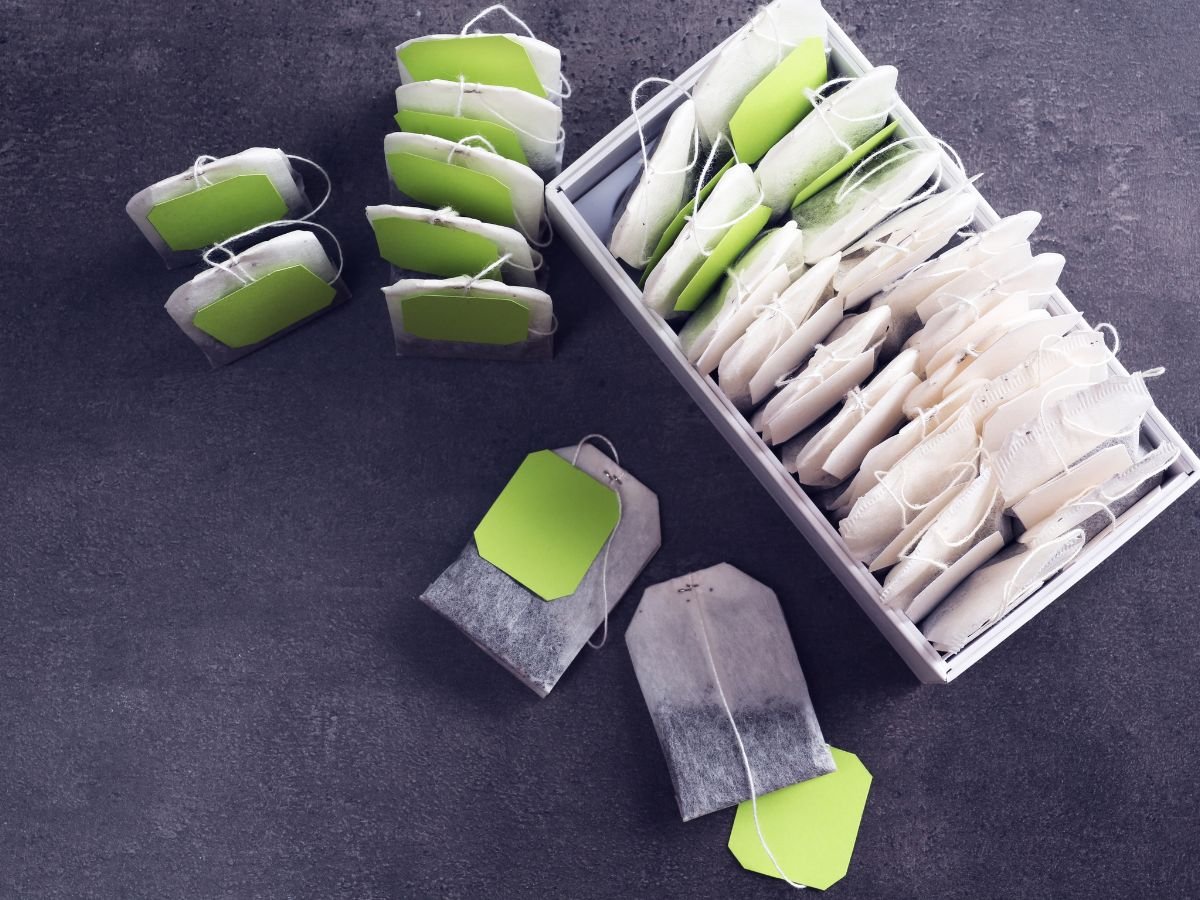
Use divided storage or separate containers for different teas. Wooden tea bag organisers with compartments are particularly useful for keeping flavours distinct.
Mistake #5: Refrigerating Tea Incorrectly
Many people assume refrigeration keeps tea fresh. In most cases, this causes more harm than good.
When tea is removed from the fridge, condensation forms. Moisture damages leaves and can lead to mould.
When refrigeration is acceptable:
Only for certain premium green teas stored in fully sealed, moisture proof packaging. For most UK households, a cool cupboard is safer.
Mistake #6: Buying in Bulk Without Proper Storage
Buying large quantities can be economical, but tea naturally degrades over time.
If bulk tea is not stored properly in airtight containers, freshness declines before it can be used.
Better approach for UK households:
- Buy moderate quantities
- Store in airtight containers
- Keep away from heat and light
Typical Shelf Life Guide
- Black tea: 18 to 24 months
- Green tea: 6 to 12 months
- Herbal tea: 12 to 24 months
- Loose leaf vs tea bags: Loose leaf often retains flavour slightly longer if stored correctly
How to Store Tea Properly UK Quick Checklist
✔ Keep away from light
✔ Store in an airtight container
✔ Avoid moisture exposure
✔ Keep in a cool cupboard
✔ Separate strong flavours
Following this checklist helps preserve aroma, colour and taste.
How Long Does Tea Last?
How long does black tea last?
Black tea typically lasts up to two years when stored in airtight tea storage.
How long does green tea last?
Green tea is more delicate and usually best within 6 to 12 months.
Do herbal teas go off?
Herbal teas can lose potency over time, especially if exposed to air or moisture.
Loose leaf vs tea bags which lasts longer?
Loose leaf tea often retains flavour slightly longer, but both require airtight storage to prevent deterioration.
FAQs
Does tea expire?
Tea does not expire in the same way as fresh food, but it does lose flavour and aroma over time.
Can tea go mouldy?
Yes. If exposed to moisture, tea can develop mould. Always store in a dry, airtight container.
Is it safe to drink old tea?
If stored properly and free from moisture or mould, old tea is usually safe but may taste weak or stale.
What is the best container for tea storage?
Opaque, airtight containers made from stainless steel, ceramic or tin provide the best protection.
Should tea be stored in the fridge?
Generally no. Refrigeration can introduce condensation and moisture damage unless packaging is fully sealed.
Conclusion
Avoiding these common tea storage mistakes makes a noticeable difference in flavour and freshness. Light, air, heat and moisture are the biggest threats to tea quality in UK kitchens.
By storing tea in airtight containers, keeping it in a cool cupboard and separating strong varieties, tea stays fresher for longer.
For the best results, consider using high quality tea storage solutions designed to protect flavour and extend shelf life.
